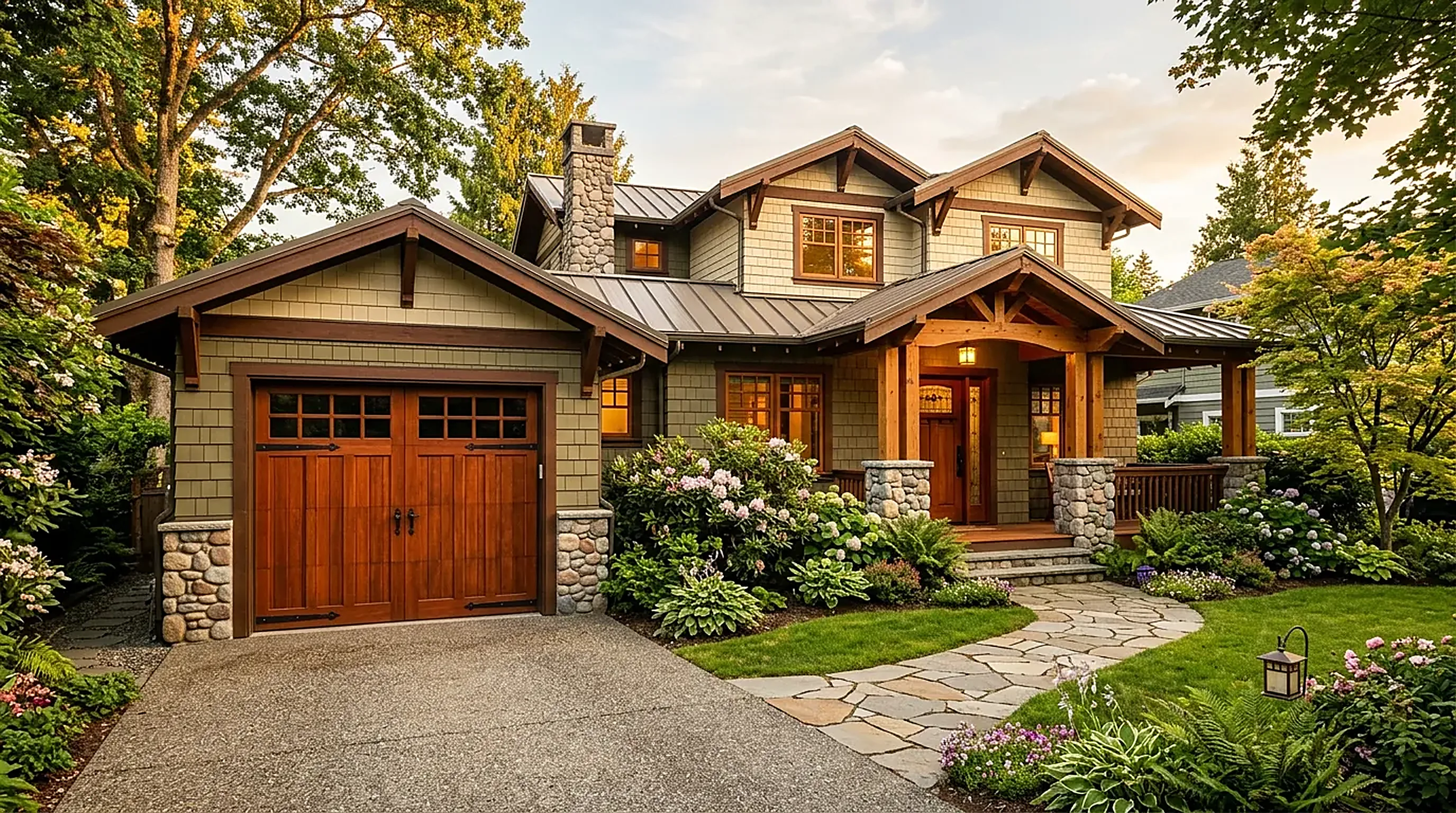
Florissant, MO · Garage Door Service
Florissant Garage Door Pros repairs and replaces garage doors for homes built between 1947 and 2011 across Florissant, MO and nearby North County suburbs.
What We Do
From a snapped spring to a full door replacement - one local crew, upfront pricing.
Off-track doors, snapped cables, bent panels and grinding openers - diagnosed and fixed.
Learn more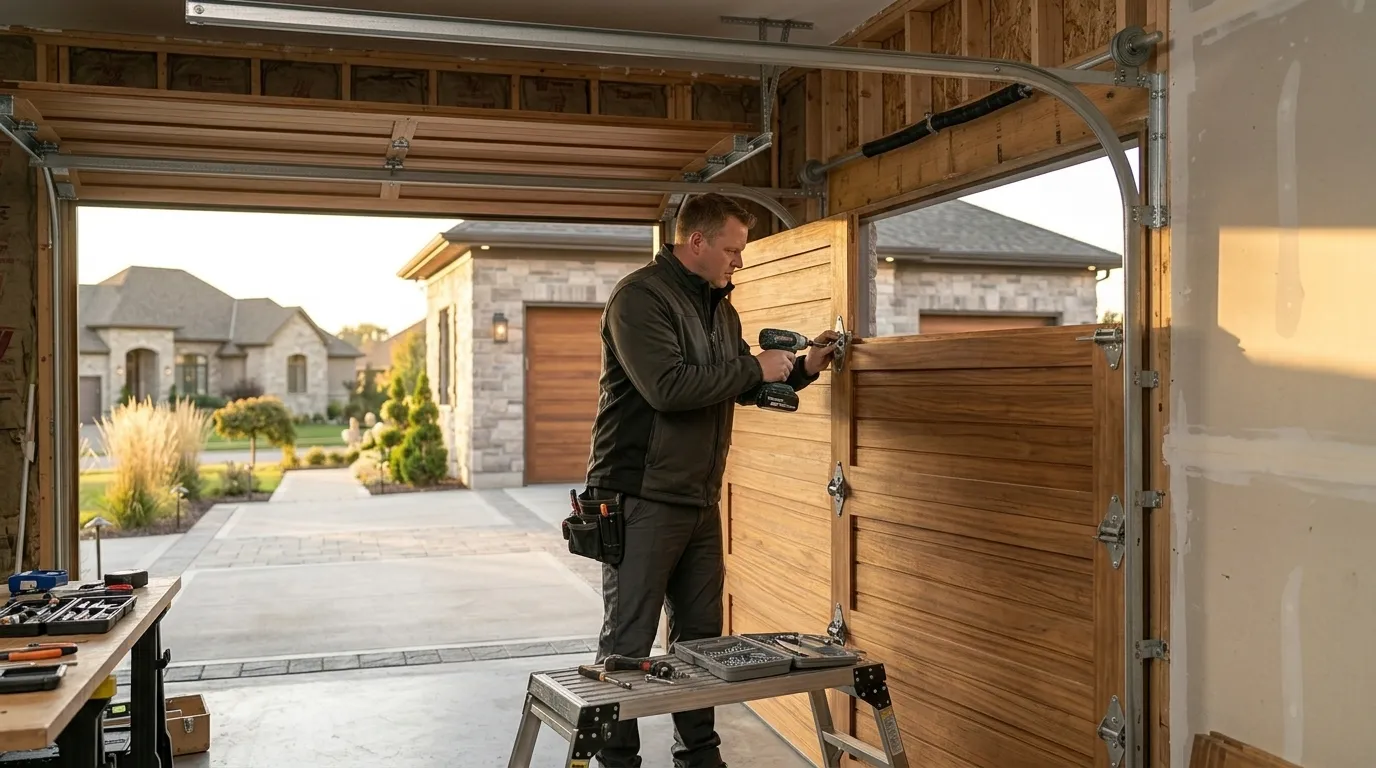
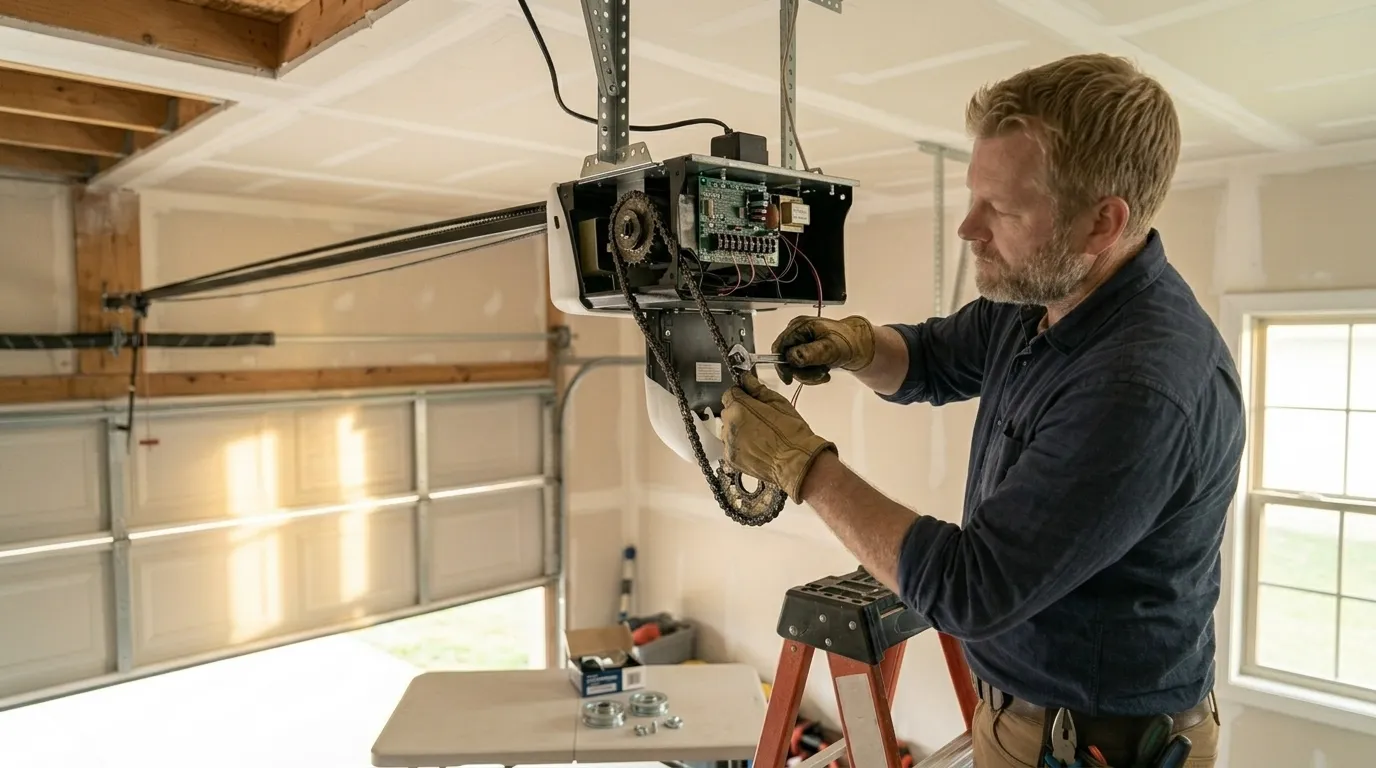
Chain, belt and screw-drive openers, safety sensors and rolling-code remotes.
Learn more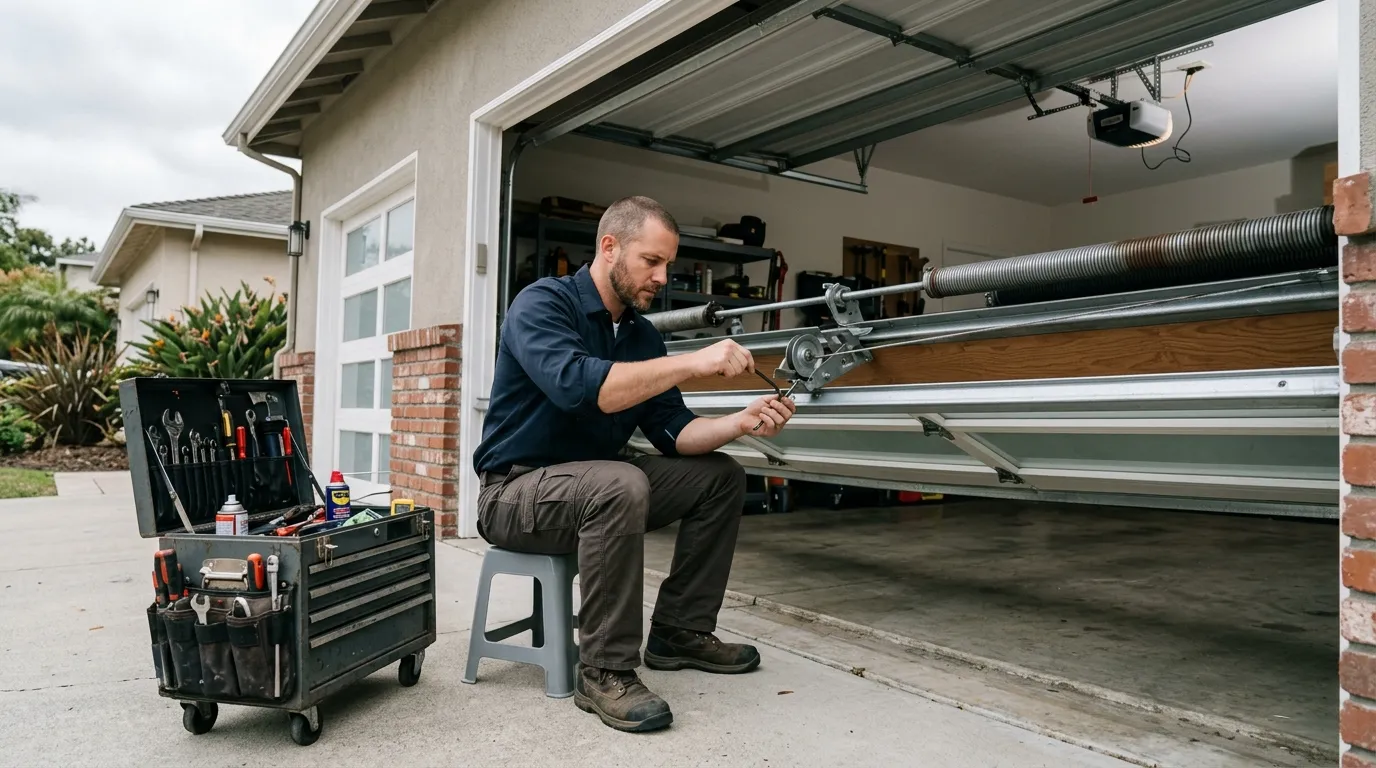
Doors jumped the track re-set, aligned and re-tensioned so they run true.
Learn more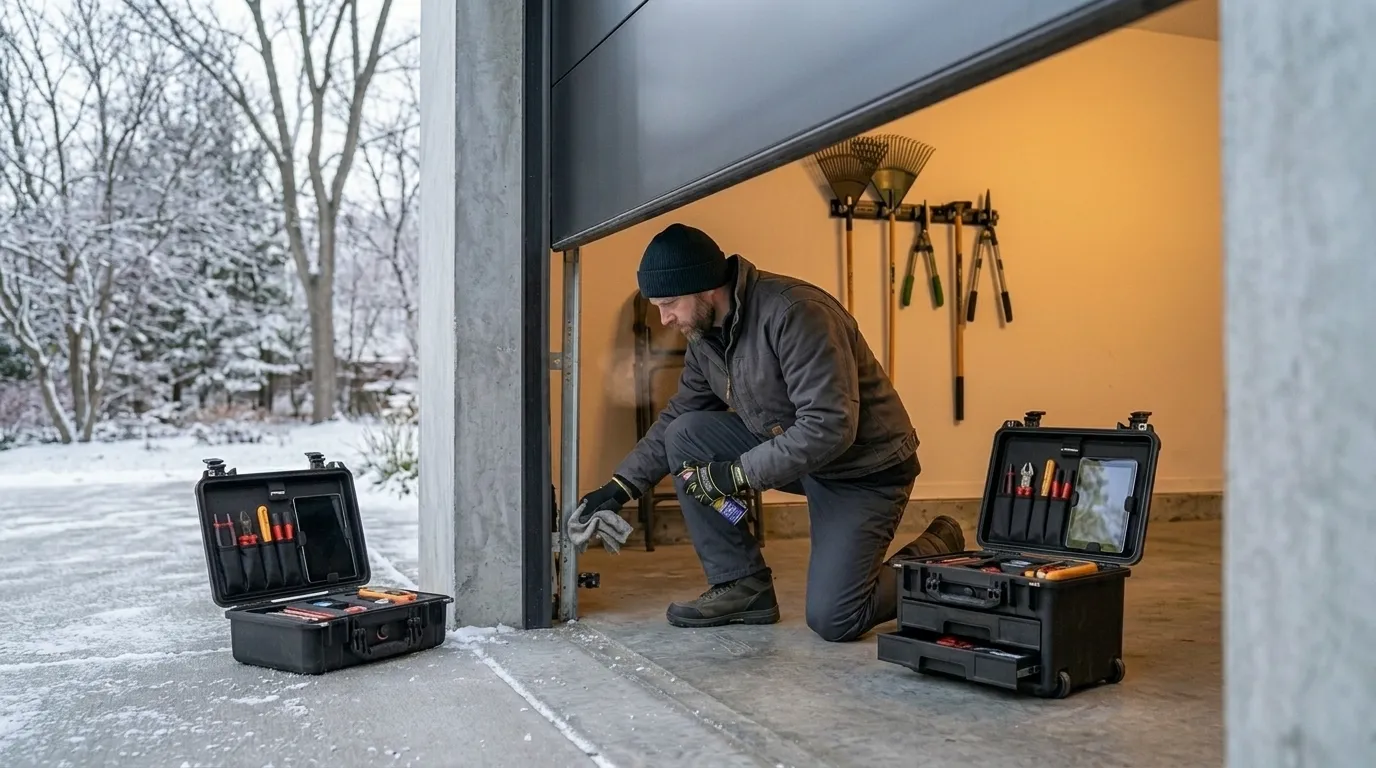
24/7 same-day help for a door that's stuck, off-track or won't secure.
Learn more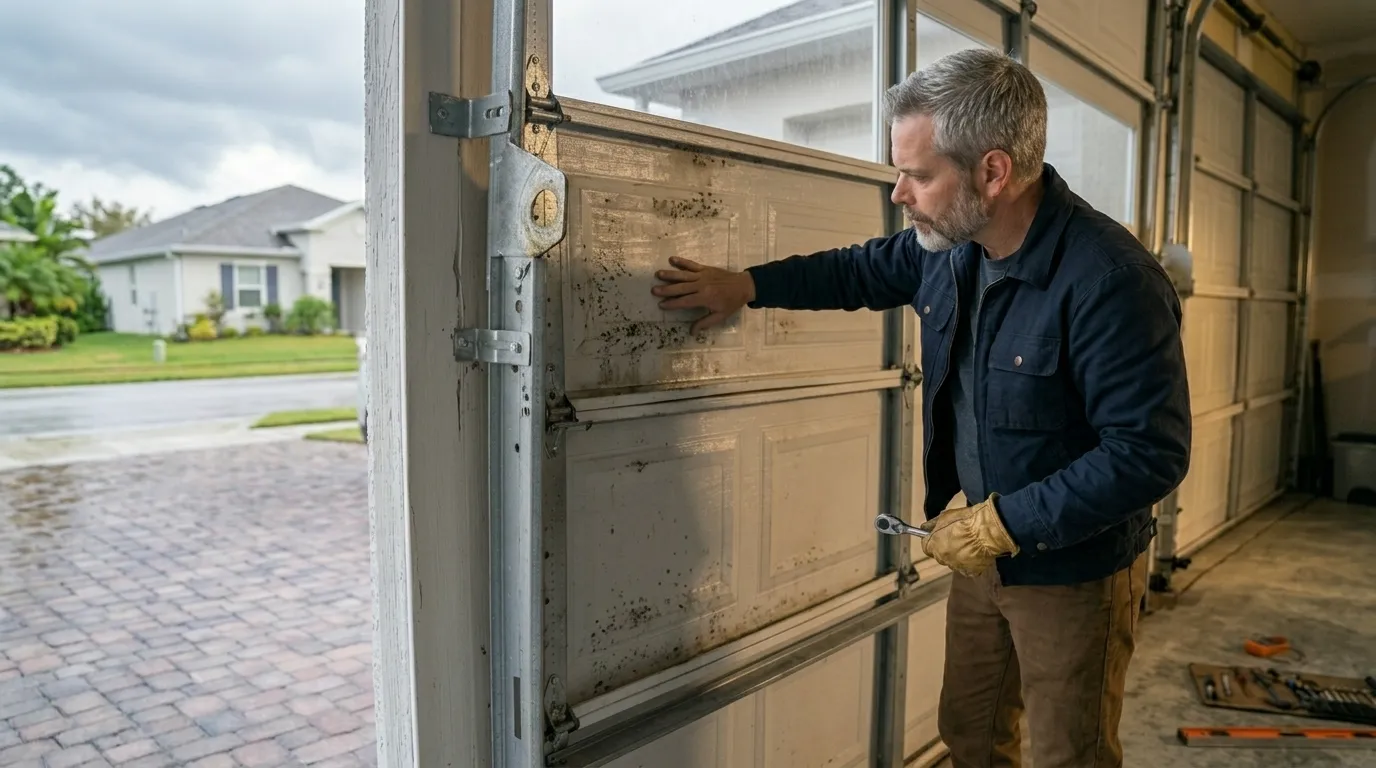
Spring tension, roller and track service that keeps an older door running quiet.
Learn more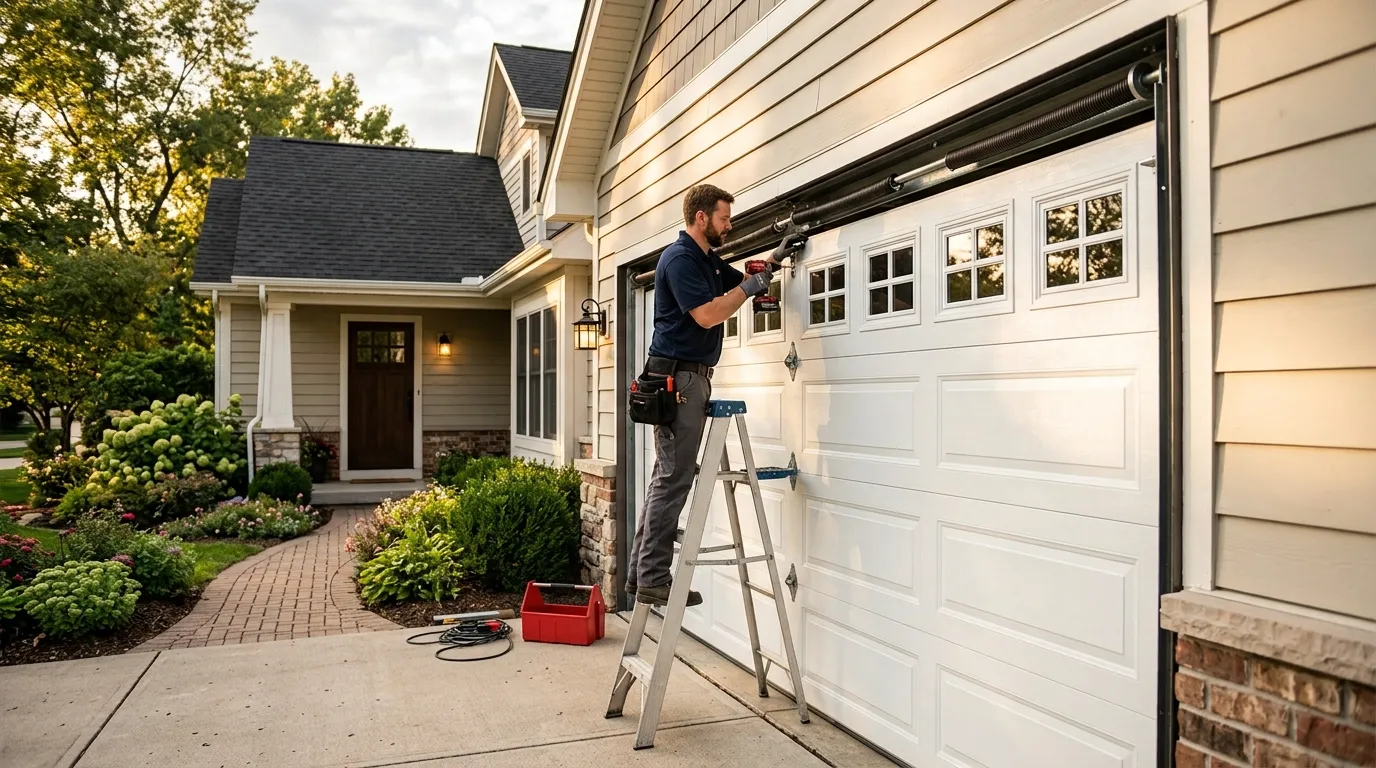
Rolling steel, sectional and high-cycle doors for shops, warehouses and lots.
Learn moreFast Response
A stuck or broken garage door can't wait. Call before the afternoon and we can usually be out the same day - most repairs are diagnosed and finished on the first visit, with an upfront price before any work starts.
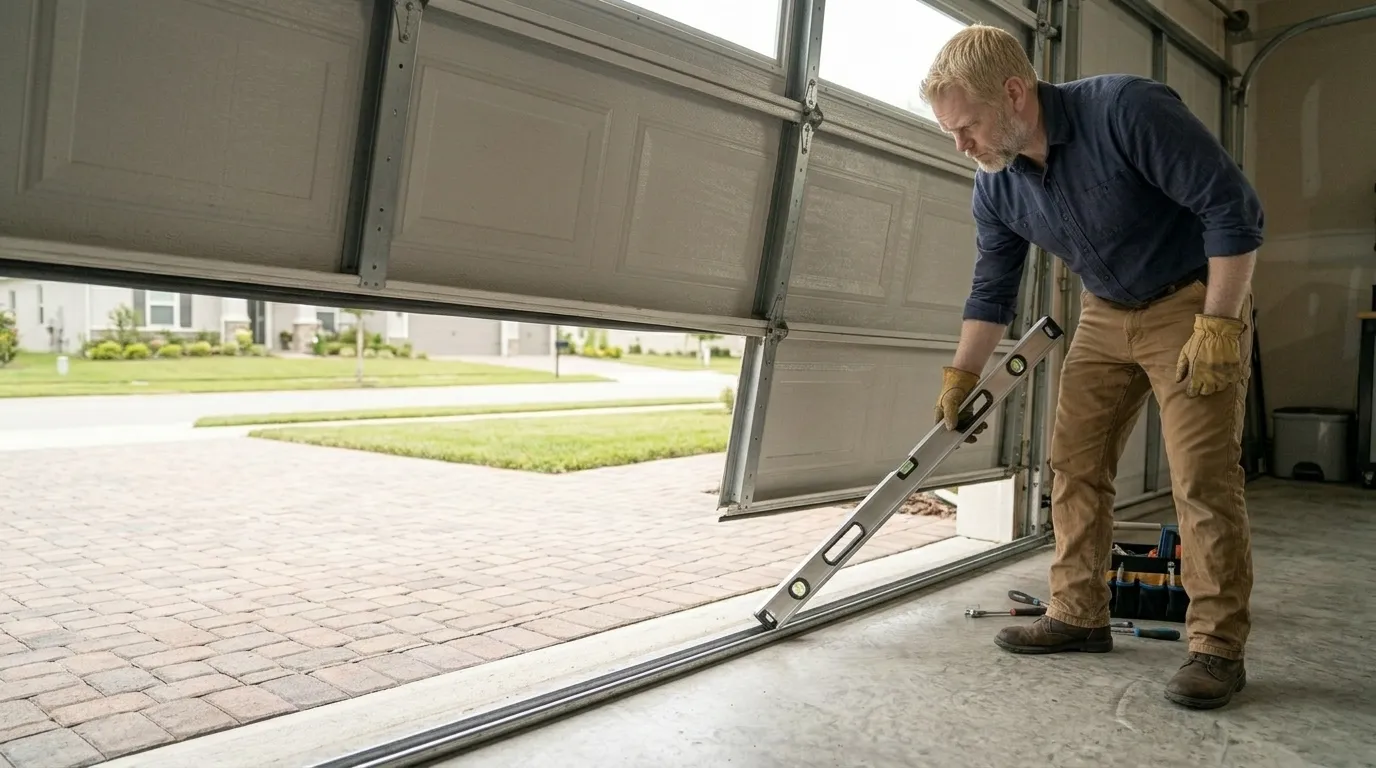 Same-day service
Why Florissant Calls Us
Most repair calls are handled the same or next day - springs and openers don't wait.
Trained techs, proper spring tools, and the insurance to back the work.
A written quote at the door before any work starts - no surprise add-ons.
We diagnose the actual cause, not just the symptom, so the door stays fixed.
Fully stocked trucks mean most repairs are finished on the first visit, no second trip.
A Florissant-based team you can reach directly, not a national call center.
How It Works
Call or request a quote and describe what the door is doing - noise, off-track, won't open.
A tech inspects the springs, tracks, opener and panels and gives you a written price first.
Most repairs are done on the same visit; installs are scheduled around you.
Our Work
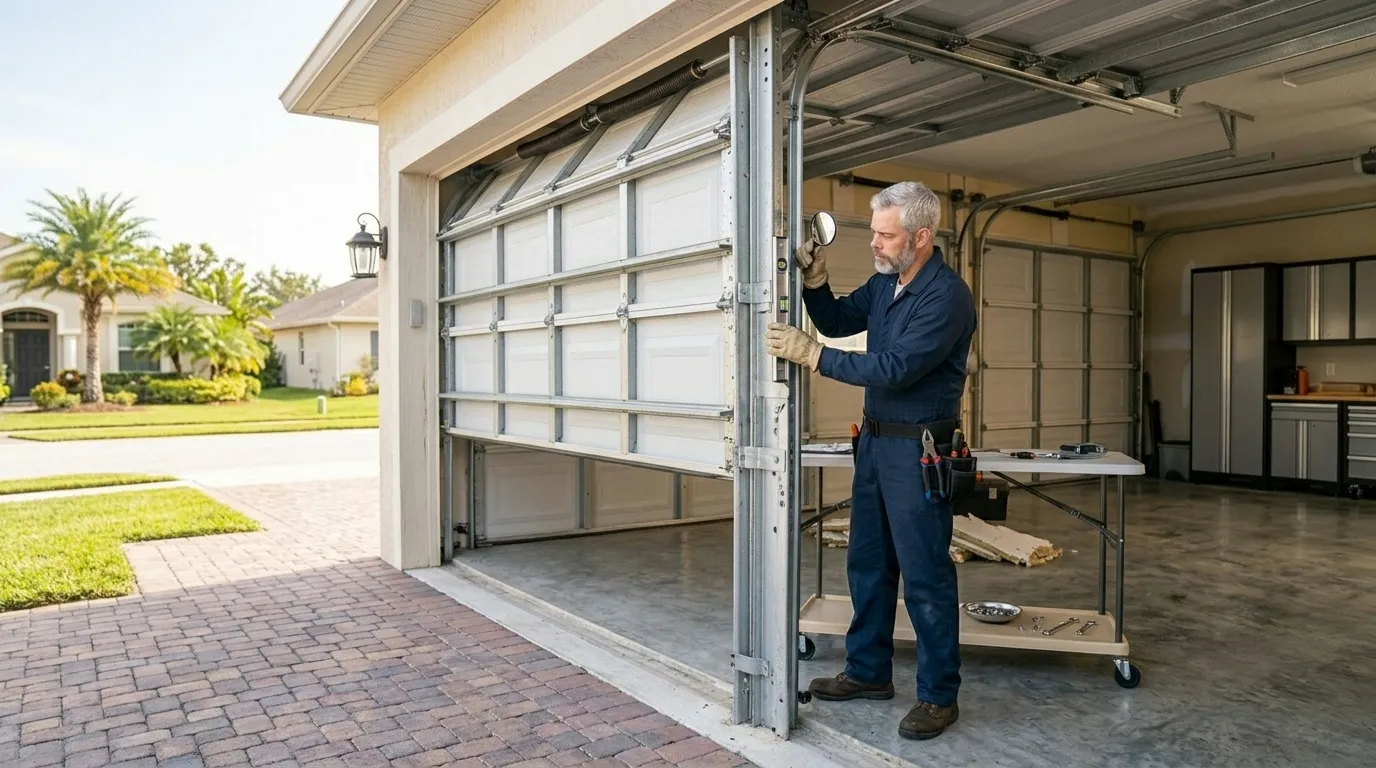
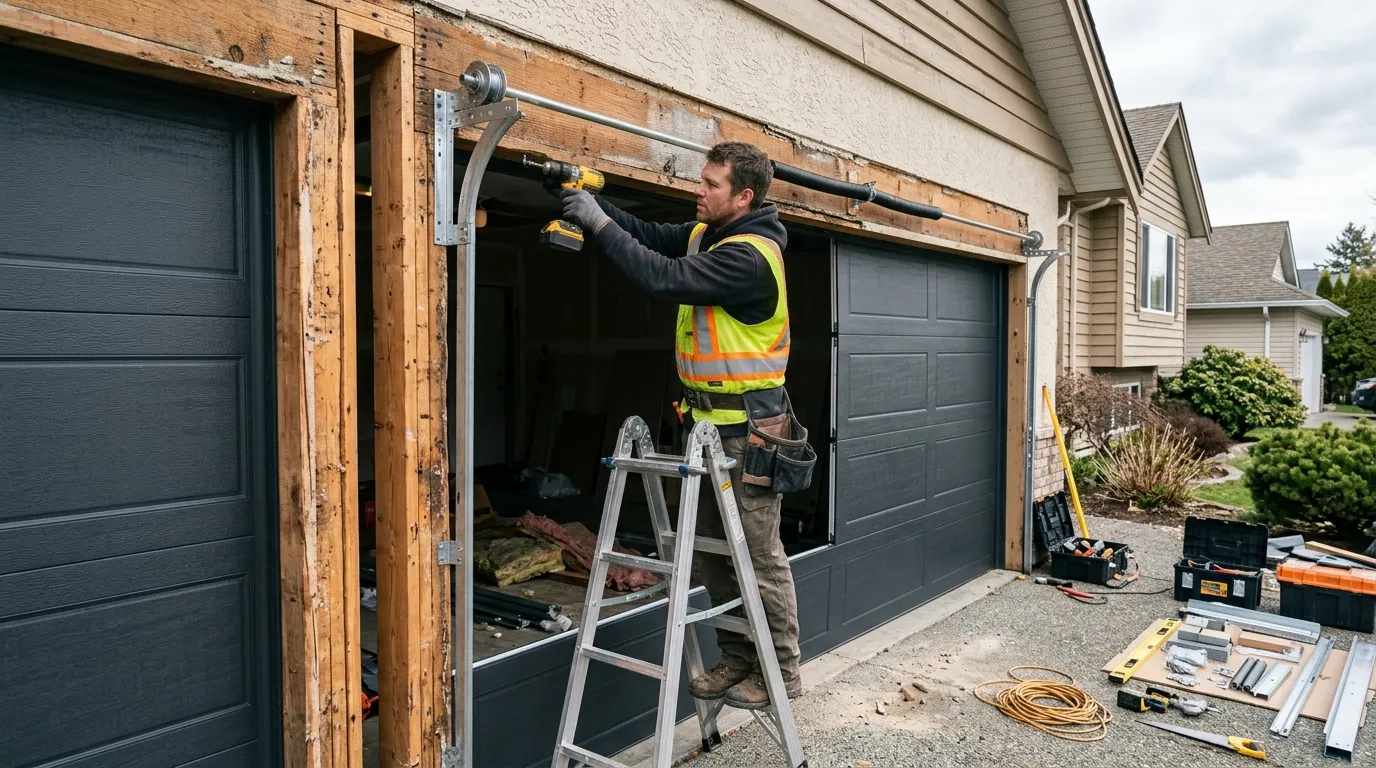
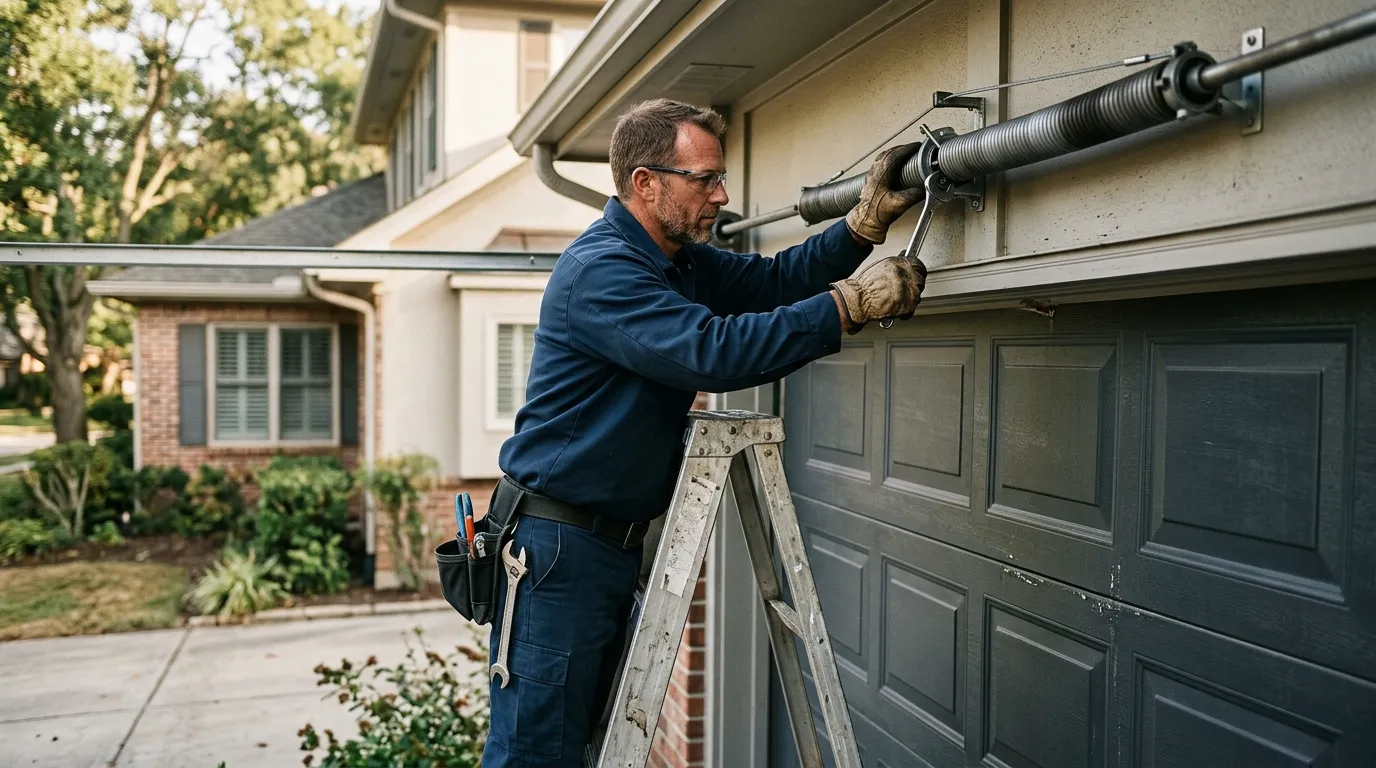
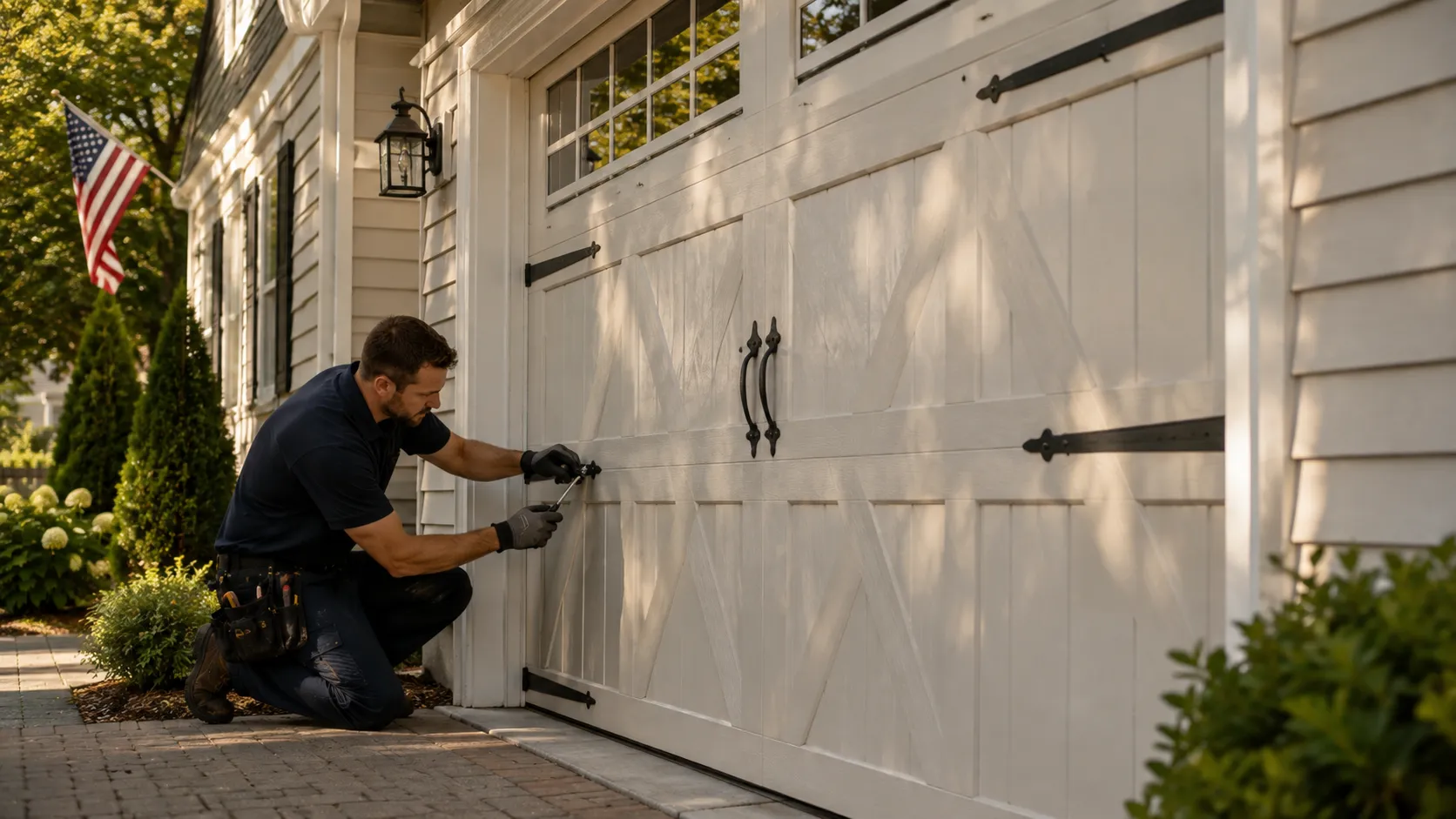
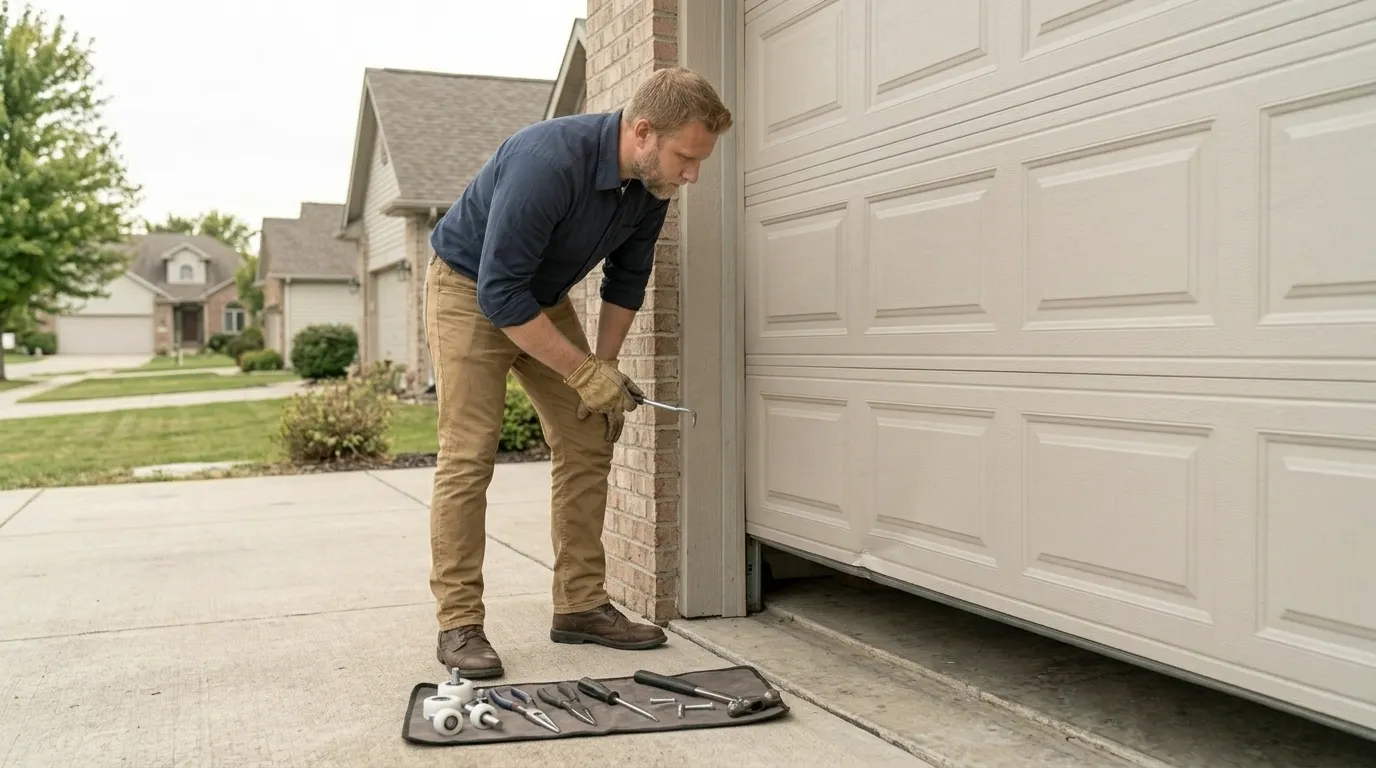
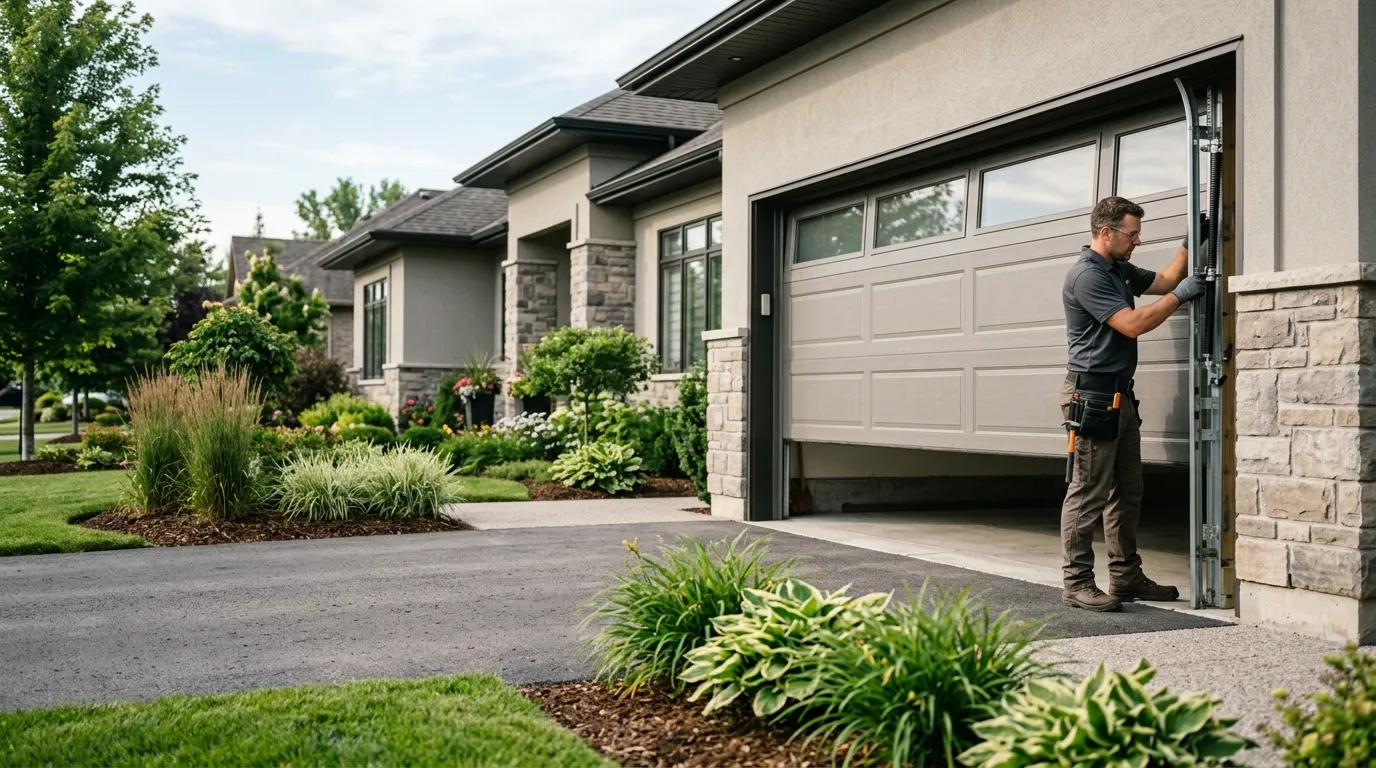
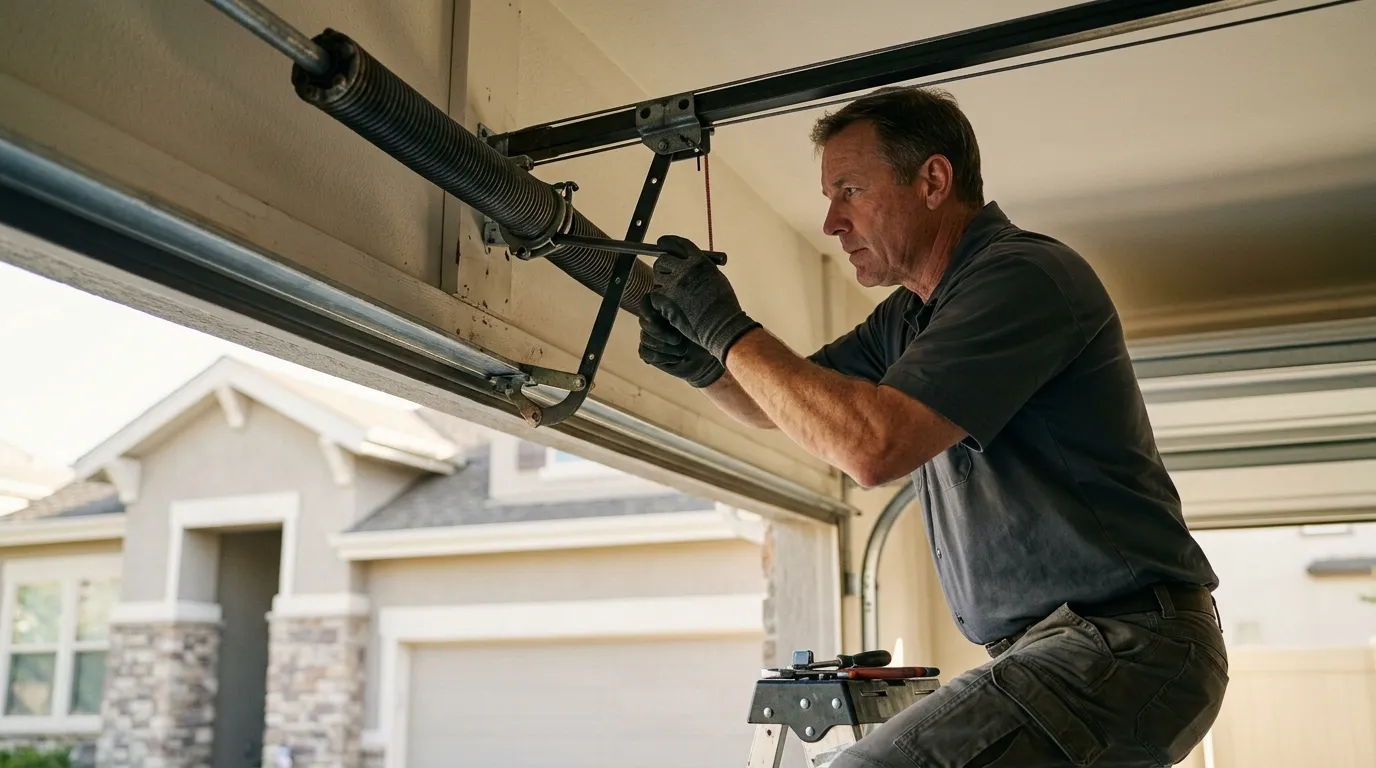
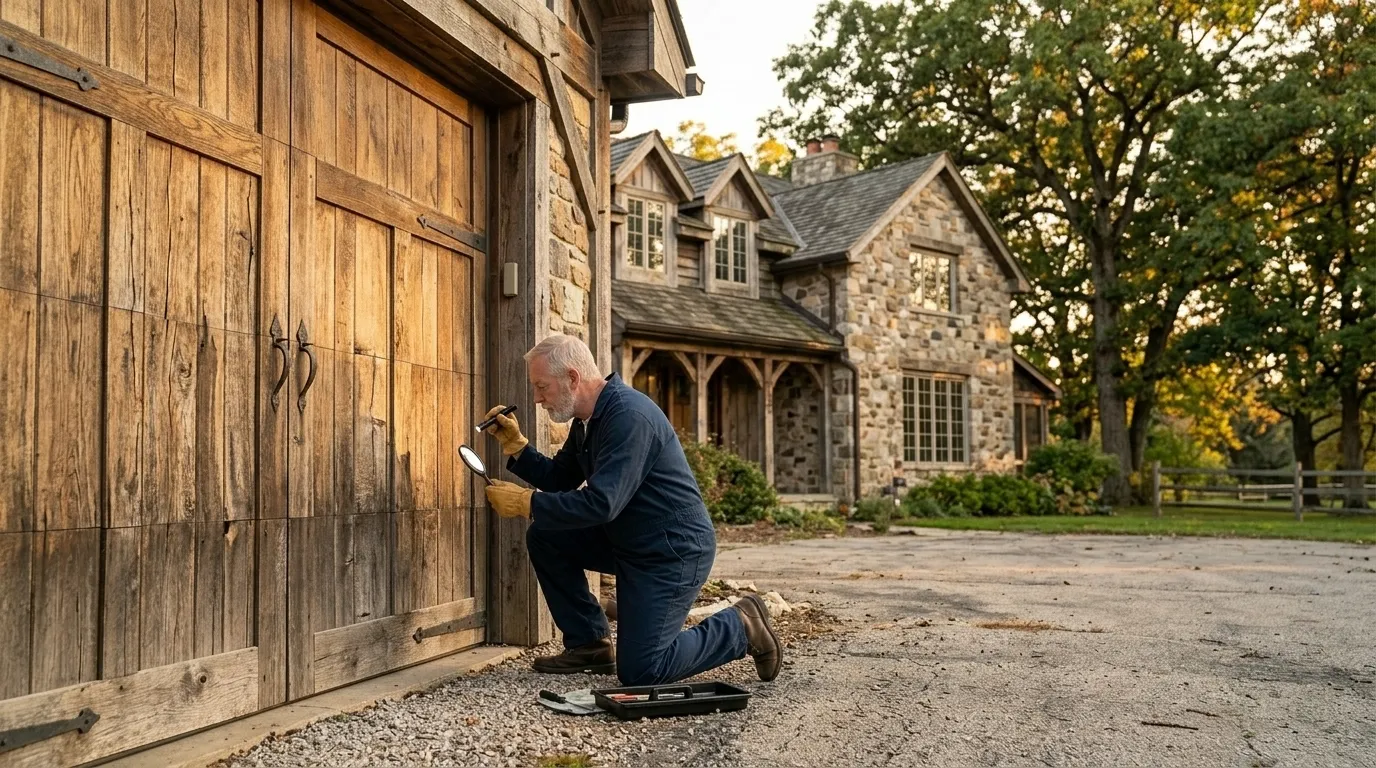
A look at doors, openers and springs we've installed and serviced across the Florissant metro.
Where We Work
Neighborhoods across the city and suburbs around the metro. Not sure if we reach you? Just ask.
Local Expertise
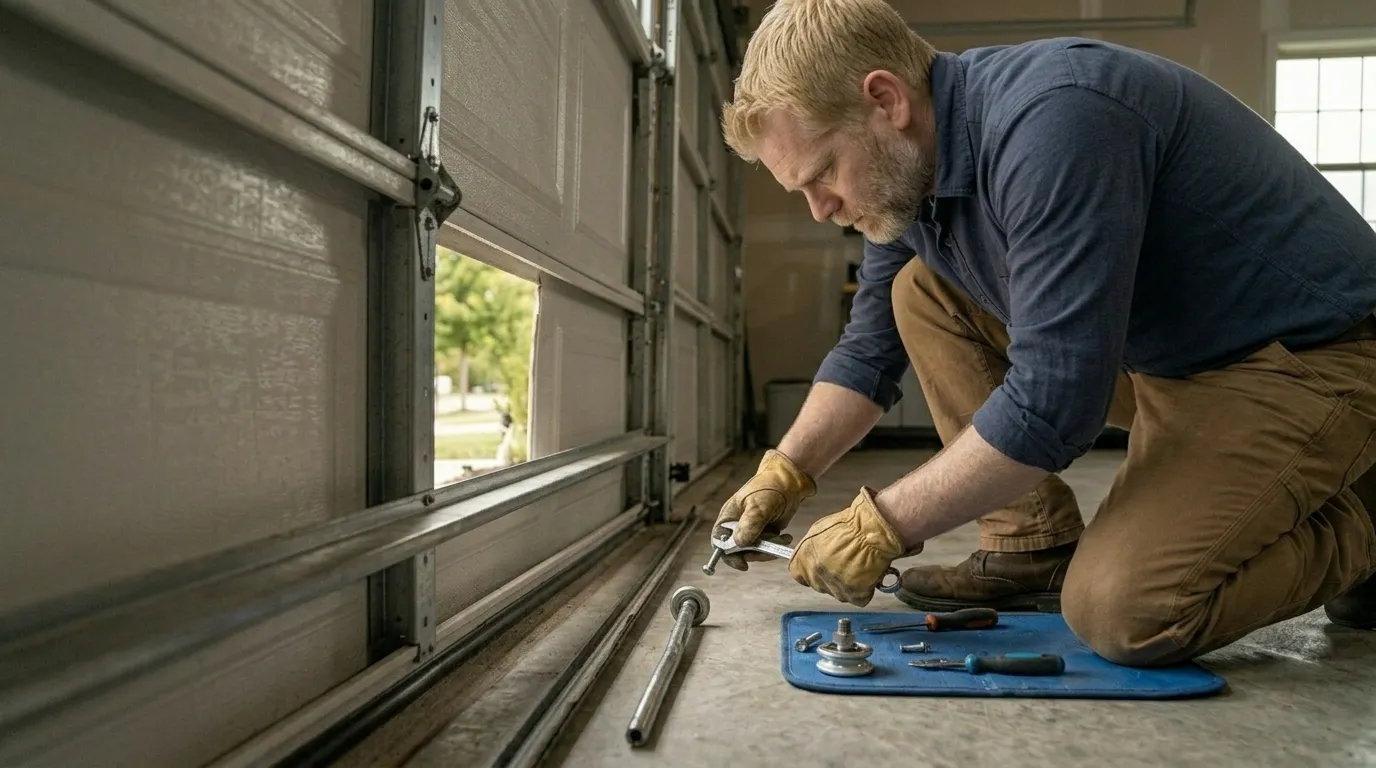
When you call, we ask three things before we ask anything else: what the door is doing, when it started, and roughly how old the house is. That last question matters more here than in a lot of places. A house on a street that went up in the 1960s or 70s - which covers most of the 45 named areas we work across, from Old Jamestown three miles out to Spanish Lake six miles east - usually has a torsion setup that's been retrofitted at least once. A house built closer to 2011 is a different animal, with a different opener and different sensor placement. We'll ask you to check the manufacture date sticker on the inside of the door if you can find it, because that one number saves us a wasted trip half the time. From there we give you a window, not a guess, and we tell you upfront if a part needs to be ordered rather than pretending we'll have it on the truck. We don't stock everything for every era of door - nobody honest does.
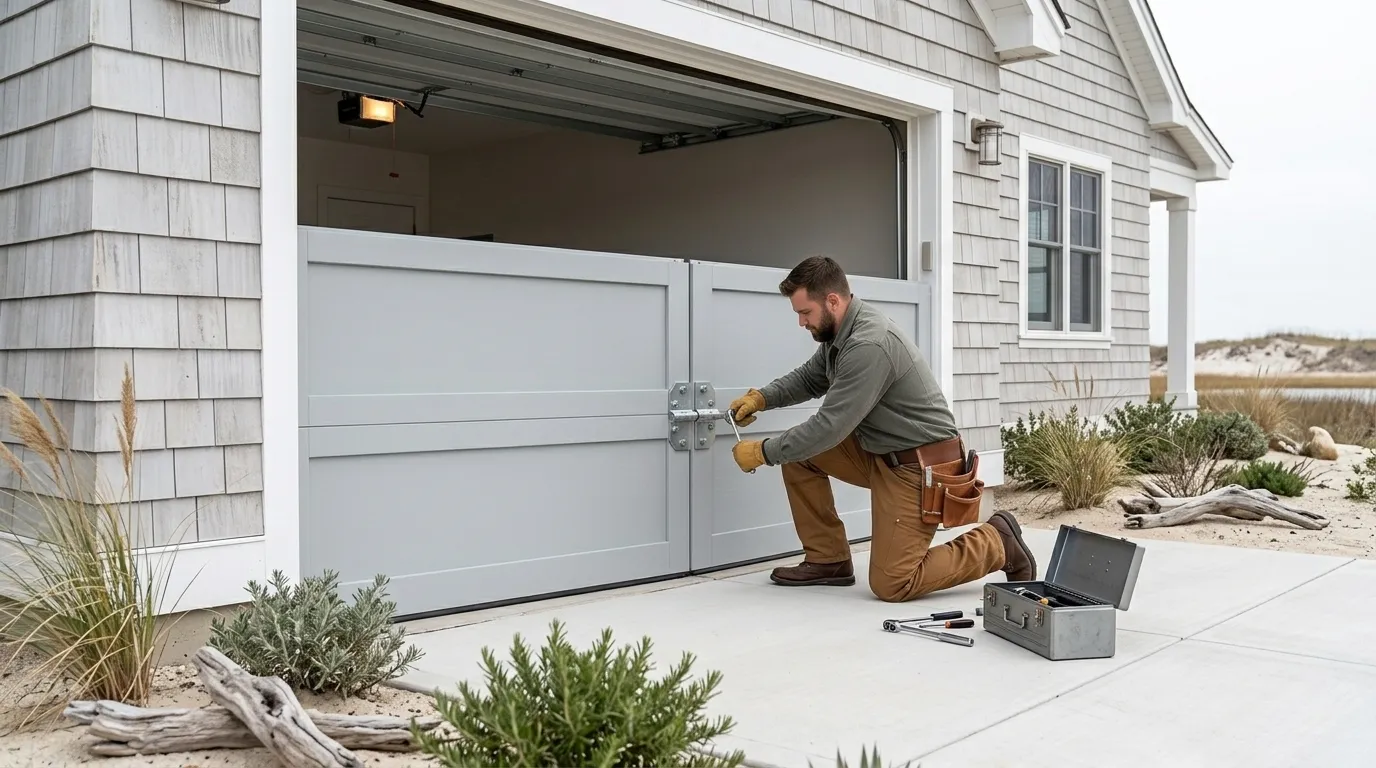
A door doesn't need replacing just because it's old. Plenty of the doors on houses built in the 1960s and 70s are still doing their job with a new spring and a set of rollers. Replacement makes sense when the panel itself is failing - rust-through at the bottom section, wood rot on an original door, or a frame that's racked from years of a spring pulling unevenly. In a cold-moderate climate like this one, an old door with gaps at the bottom or sides is also losing you heat every winter, and weatherstripping alone can't fix a warped panel. If the track and opener are sound but the door is the problem, we'll say so plainly rather than selling you a full system you don't need. The flip side is also true: if the springs, cables, and opener are the issue and the door itself is solid, replacing the whole unit is money you didn't need to spend. We'll tell you which situation you're in before we quote anything.
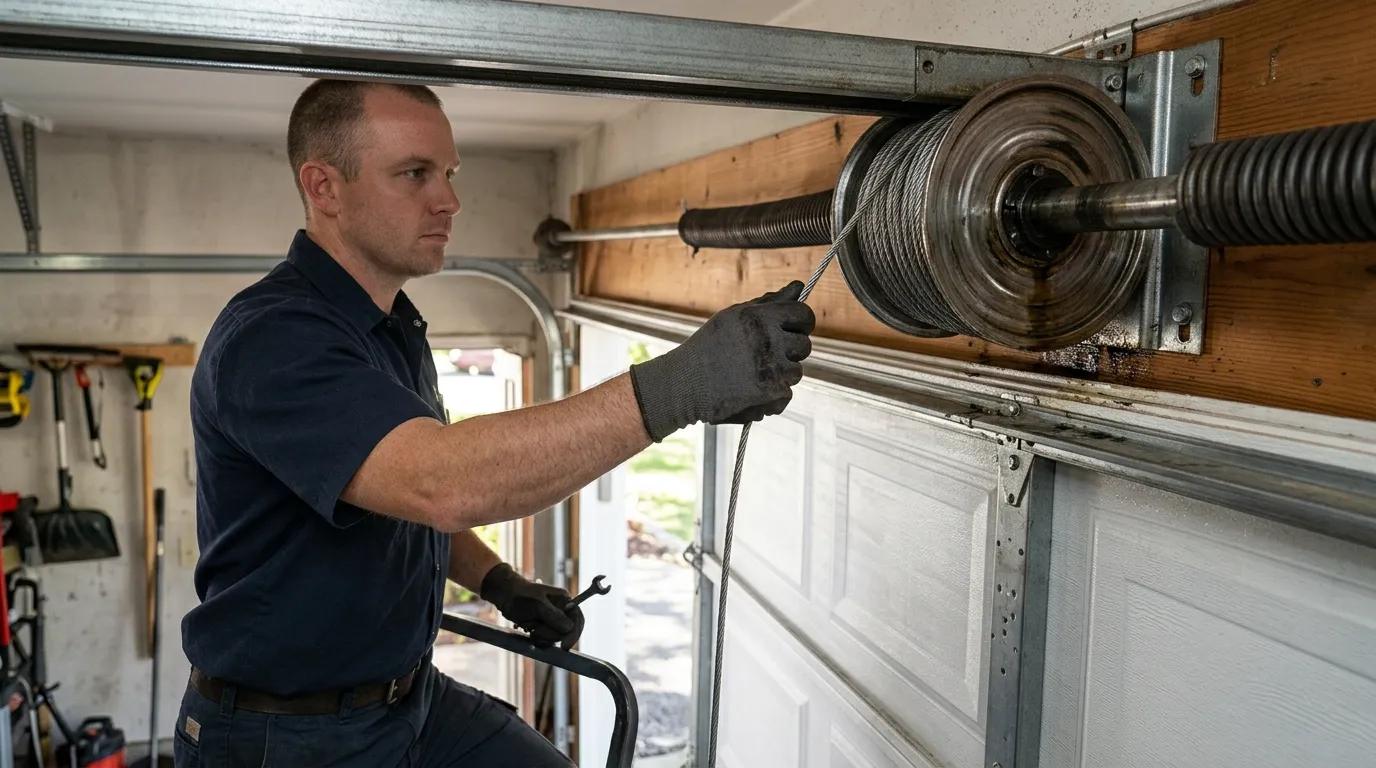
With most housing in this area dating to the 1960s and 70s, the calls we get most are torsion springs that have simply worn out from age and cycle count, and openers original to houses that never got upgraded when the door itself was replaced somewhere along the way. Those mismatches - a newer door on an old opener, or the reverse - cause a lot of the grinding, uneven-close complaints we hear. On the newer end of the housing stock, built up through 2011, we see more sensor and circuit board issues than mechanical ones, since those doors tend to have working steel but electronics that are starting to age out. Cable fraying and bent track show up across every era of house, usually from a door that got hit or a spring that failed and let the door drop unevenly. We don't do fence work, gate automation, or anything that isn't the garage door and its hardware - if that's what you need, we'll say so and point you elsewhere.
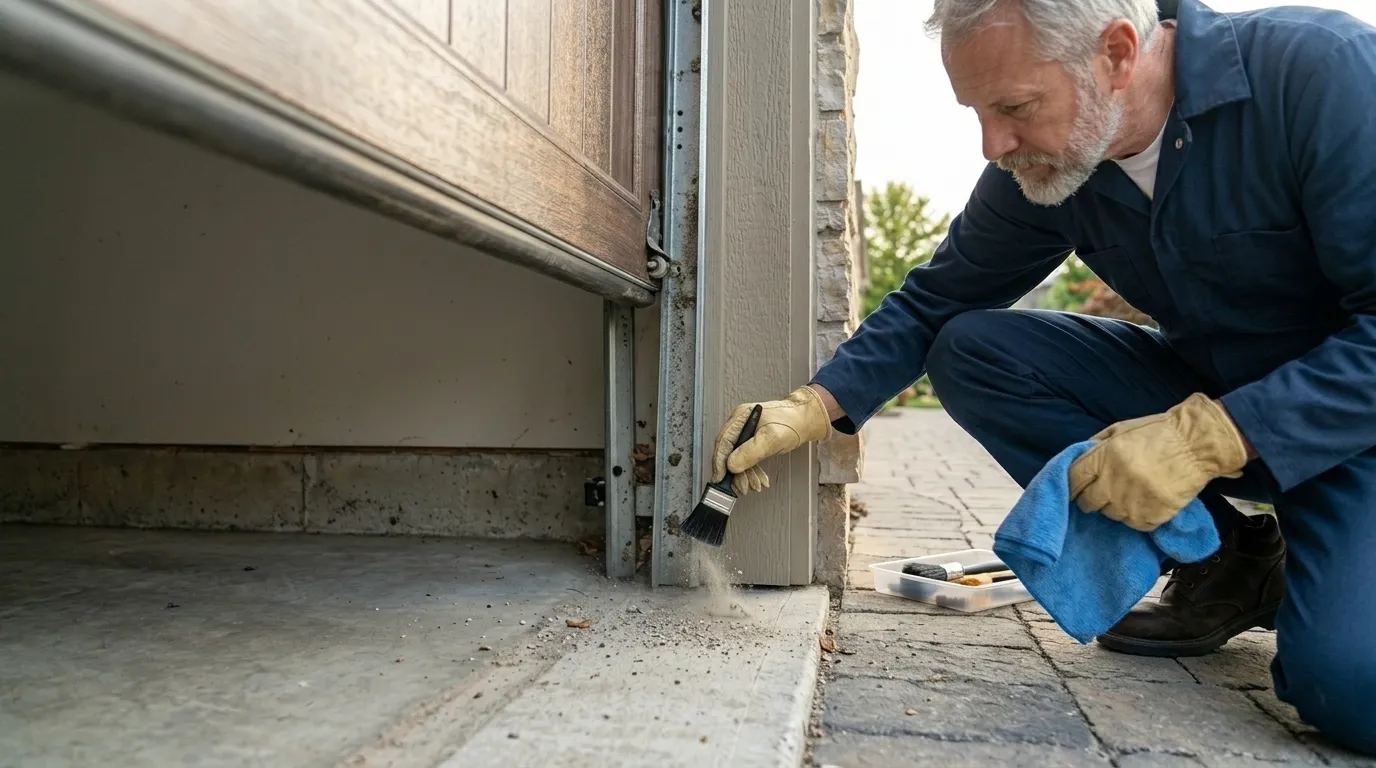
Cost on any job comes down to three things: what part failed, what it takes to source it, and how long the fix takes on-site. A spring swap on a standard torsion setup is a different job than pulling and replacing an opener board on a door that's been discontinued by its maker. We don't publish a flat price list because a 1960s door on original hardware and a 2005 door on a modern opener aren't the same repair, even if the symptom sounds identical over the phone. What we will do is tell you the likely range before we start and call out anything that changes it once we're actually looking at the door. Given the median household income in this service area sits around $84,942, we try to be straight about when a repair is worth doing and when it isn't - sinking money into a door that's failing structurally rarely makes sense next to a replacement that will outlast three more repairs.
Housing in this service area was built mostly between 1947 and 2011, with the median landing around 1963 - which means the typical garage attached to these homes is older than the car parked in front of it. That 1960s-70s core runs across 45 named neighborhoods we cover, stretching from Old Jamestown and Black Jack just three miles out to farther communities like Olivette, University City, and Webster Groves ten to fifteen miles south. Closer in, areas like Berkeley, Hazelwood, and Ferguson sit four miles off, with Bridgeton, St. Ann, and St. John a few miles beyond that. Across the full service area there are roughly 225,179 households, with about 116,163 of those owner-occupied houses - the kind of housing stock where garage doors get used daily and hardware wears out on a predictable schedule rather than sitting idle. That age spread is exactly why we ask about build year on every call: a door and opener original to a 1965 house need a different approach than one installed during the later building years closer to 2011.
Good to Know
Housing in this service area was mostly built between 1947 and 2011, with the median around 1963, so a lot of doors and openers are original or close to it. If your door has never been replaced and the house is from that era, worn torsion springs and aging opener hardware are the most common issues we find.
Yes. Our service area covers 45 named communities, from close-in areas like Old Jamestown and Black Jack about three miles out, to Bridgeton, St. Ann, and Ferguson a few miles further, out to places like Webster Groves and Town and Country ten to fifteen miles away.
Not accurately. Cost depends on what failed, whether the part is still made for your door's era, and how long the job takes on-site. We'll give you a realistic range before we start and flag anything that changes it once we're looking at the actual door.
Yes, when the panel itself is rusted through, warped, or racked from years of uneven spring tension. If the track and opener are still sound and it's just the door that's failing, replacing the full system is more than you need to spend.
Call now or request a free quote - same-day service on most repairs, upfront written pricing.