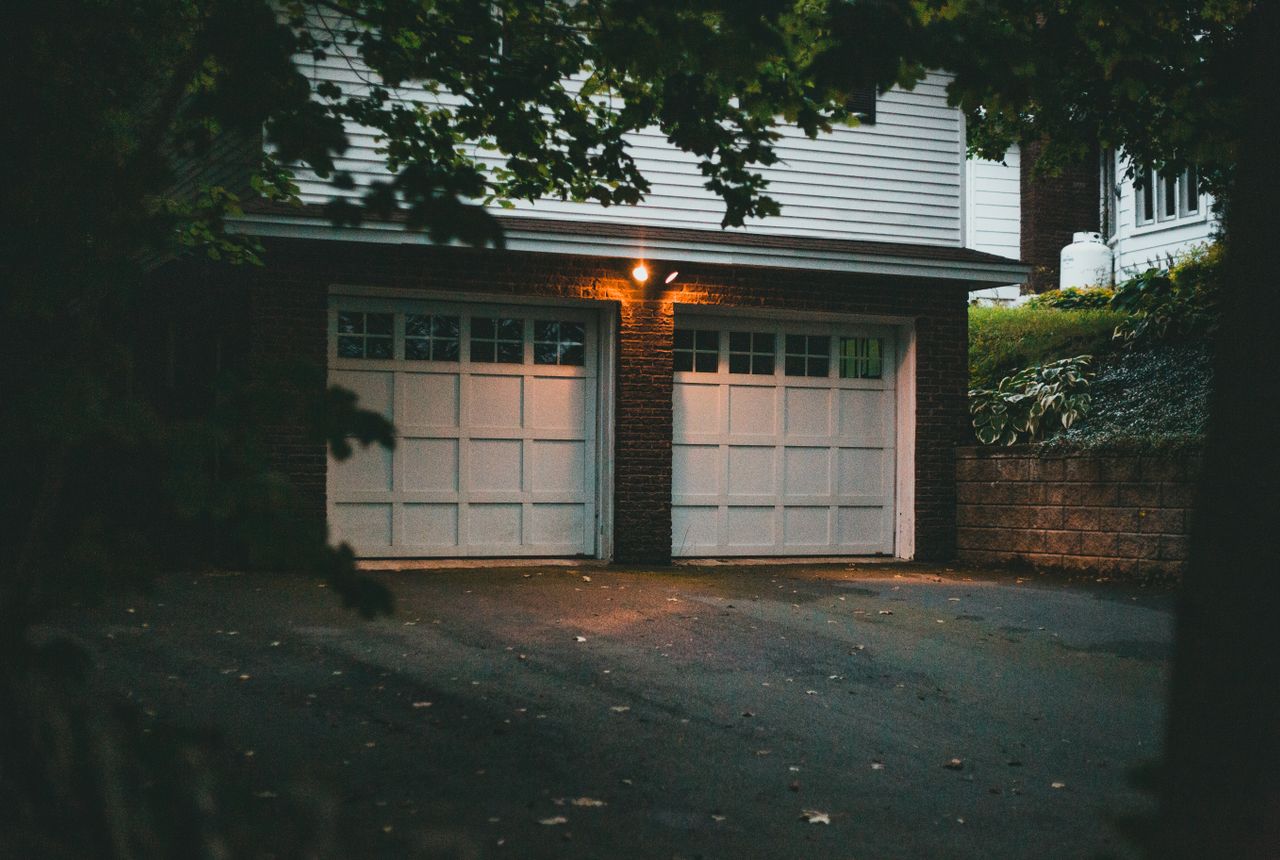
Florissant, MO · Garage Door Service
Florissant homes built 1947-2011 split between attached and detached garages. Here's how that difference plus cold winters changes what breaks and what to fix first.
Florissant sits in a cold-moderate climate band, and that matters more for a detached garage than an attached one. An attached garage shares at least one wall with the house, so it picks up some ambient heat even with no insulation. A detached garage doesn't get that benefit at all. On a lot of the properties built in the 1960s and 70s that make up most of this area's housing stock, the detached garage was framed as basic storage, not conditioned space, and the door hardware shows it.
Cold steel contracts. Torsion springs lose a little tension in deep cold, nylon rollers stiffen, and lift cables that were already worn find the point where they slip off track. In an attached garage, the swing in temperature is smaller because the shared wall buffers it. In a detached garage with no insulation and single-pane framing typical of the era, the door sees the full range of the outside air, and openers with older gear sets work harder to lift a door that's stiffer than it was in July.
This isn't a once-a-decade problem. It's a seasonal one, and it repeats every winter until the hardware is either serviced or replaced.
The mistake we see most in Florissant is treating a detached garage door like it should behave the same as the attached one at the same house, or the one at a neighbor's newer place. It won't, and it can't, because the two are built and used differently.
An attached door often gets opened several times a day as part of daily traffic in and out of the house. A detached door, especially on the older lots in this area, might get opened once or twice a week. That lighter use sounds like it should mean less wear, but it actually hides problems longer - a spring that's starting to go, or a cable fraying at the drum, doesn't announce itself until the day you need the door and it won't lift. By the time someone calls, the failure feels sudden even though it had been building for months.
The other mistake is applying the same weatherstripping or insulation kit to a detached door that was chosen for an attached one. Detached garages built in the 1960s and 70s frame differently at the header, and hardware that clears fine on an attached opening can bind on a detached one. We'd rather see the actual opening before recommending a fix than guess from a catalog spec.
Florissant's housing runs from 1947 up through 2011, with a median build year around 1963, and most of what's on the ground is 1960s and 70s construction. That range covers a lot of ground: older homes with a detached garage set back from the house, and later infill or additions where an attached garage got built onto or alongside the original structure.
What that means for us on a service call is that we're rarely looking at one standard setup. A detached garage from the early part of that build window usually has the original torsion hardware and a door that's never been touched except for an opener swap at some point. An attached garage added or updated later may have newer track and a heavier insulated door, but wiring runs from the house to the opener can be a mismatch if the addition wasn't planned around it from the start.
We don't assume a job is small just because the door looks fine from the driveway. Detached units especially tend to have deferred maintenance because they're used less and seen less. The honest answer on any given call is that we need to look at the springs, the track alignment, and the opener wiring before we know what's actually wrong, not just what's visible.
We're not going to hand you a number here that doesn't apply to your specific door - attached and detached garages in Florissant come with different labor depending on the hardware installed, how the header is framed, and whether the opener wiring needs rework. What we can tell you honestly is what drives the cost up or down.
A detached garage with original 1960s-era torsion springs and no insulation is usually a straightforward spring or cable job if that's all that's wrong - the simplicity of an unfinished detached structure works in your favor there. An attached garage with a later addition, insulated door, and wiring tied into the house's electrical panel takes longer to diagnose and sometimes longer to fix, because there's more to check before we touch anything.
One honest limitation: if a detached door's track or jamb has shifted with the building's age, sometimes the cheaper fix is a full door and track replacement rather than patching hardware that's fighting a frame that's no longer square. We'll tell you when that's the case instead of billing for repeated small repairs that won't hold.
Not necessarily for the car, but it protects the door hardware. Detached garages here built in the 1960s and 70s were mostly framed as storage, not conditioned space, so springs and rollers take the full swing of our cold-moderate winters. Insulating the door itself, even without heating the space, cuts down on that stress and slows wear on the hardware.
Your attached garage shares at least one wall with the heated house, so it picks up some ambient warmth even with no insulation added. A detached structure gets none of that buffering and sees the full outdoor temperature swing, which is why springs and cables in detached units in this area tend to show cold-weather stiffness sooner.
Depends on the door. If it's original hardware from a home built in the 1960s or 70s and the track or jamb has shifted with the building's age, repeated small repairs can cost more over time than replacing the door and track together. We look at the frame before recommending either path.
Call now or request a free quote - same-day service on most repairs, upfront written pricing.